
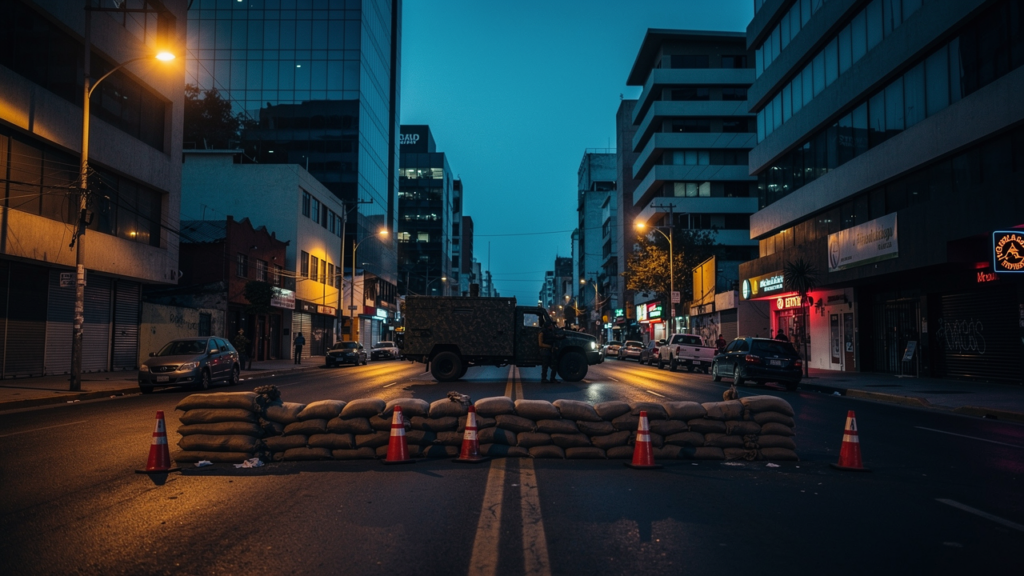
Paramedics in northern Mexico face daily trauma and life-threatening risks as they navigate the brutal fallout of the Sinaloa Cartel’s internal collapse.
For paramedics like Héctor Torres and Julio César Vega, the streets of Culiacán have become a constant landscape of grief and gore. Clad in 14kg of Kevlar body armor, these first responders witness the immediate aftermath of a drug war that has increasingly targeted civilians and bystanders. Their daily reality consists of responding to crime scenes where victims are often found dead on arrival, leaving behind families searching for answers in a city where silence is often a requirement for survival.
The scale of the crisis is reflected in the sheer volume of trauma cases. Call-outs have surged by more than two-thirds in the past year, straining local medical resources. Unlike previous years where violence was largely confined to cartel members, the current “civil war” within the Sinaloa organization has seen attacks on schools, hospitals, and even funeral processions. Paramedics themselves are frequently at risk, often arriving at scenes while gunmen are still in the vicinity or being caught in military-cartel crossfire.
“The fear is everywhere and the fear is constant. We don’t know if the people responsible are still at the scene… so we run the risk of being caught in the crossfire.”
Beyond the immediate victims of gunfire, the social fabric of the region is being torn by a secondary crisis of disappearances. Activist groups, such as “Mothers Fighting Back,” led by Reynalda Pulido, conduct their own searches for missing loved ones in the face of perceived government inaction. Using metal probes and shovels, these families scour the countryside for clandestine graves, often finding only animal remains or unidentified fragments of a life lost to the conflict.
The paramedics and search groups represent the civilian endurance in a region dominated by billion-dollar criminal enterprises. While the Mexican government maintains that it is cutting the fentanyl supply, the human toll in Culiacán suggests a different story. For the first responders, the small victories—such as the rare occasion where a shooting victim survives—are the only respite in a cycle of violence that shows no sign of abating as the country prepares for a global spotlight during the 2026 World Cup.
SOURCES: Red Cross Culiacán, Mothers Fighting Back (Madres en Lucha), Sinaloa Emergency Medical Services.
This report has been significantly transformed from original source material for journalistic purposes, falling under ‘Fair Use’ doctrine for news reporting. The content is reconstructed to provide original analysis and reporting while preserving the factual essence of the source.