

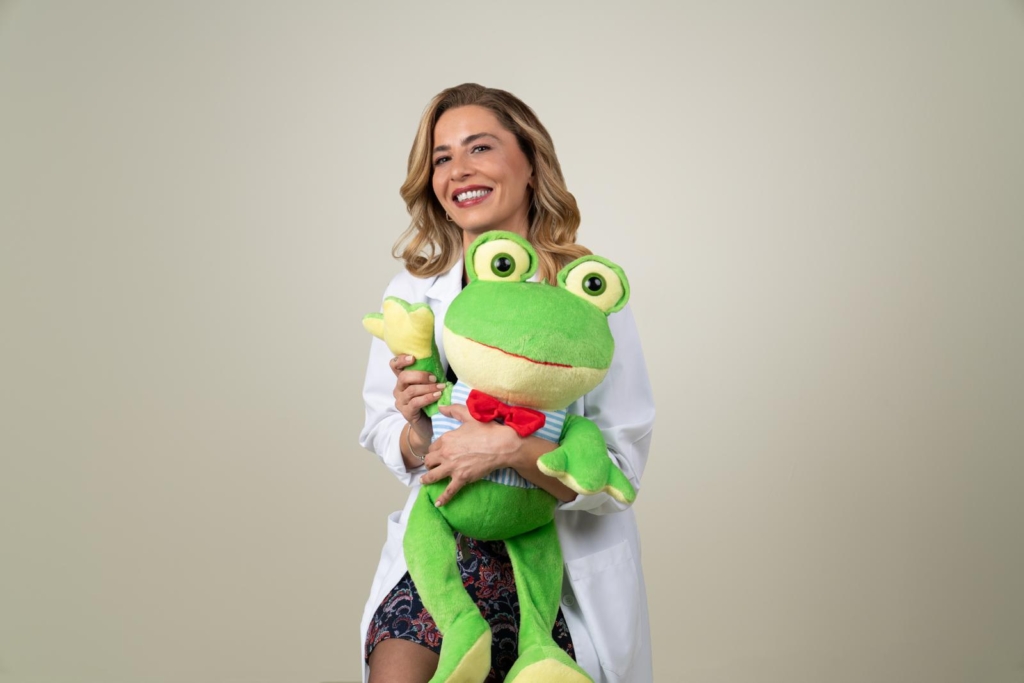
Dr. Nil Sarıçiçek, a pediatric specialist in Turkey, has emphasized that biological aging originates during prenatal and early developmental stages rather than advanced adulthood. Highlighting recent clinical research, she urged healthcare providers and families to re-evaluate pediatric care as a foundational lifelong investment against future systemic health risks.
According to Dr. Sarıçiçek, adult physical impairments frequently trace back to early environmental exposures that often pass unnoticed. She argued that medical evaluations must shift from addressing immediate clinical symptoms to monitoring lifelong developmental continuity.
“The roots of certain health problems we experience today may be linked to experiences we encountered during early life that we often did not even notice. For this reason, we should evaluate health not merely through present symptoms, but as a lifelong process.”
Telomere Shortening and Prenatal Stress
Citing a 2023 scientific paper titled “Early Origins of Health and Disease Risk: The Need to Investigate Adverse Exposures and Biological Aging Across the Prenatal, Childhood, and Adolescent Periods,” Dr. Sarıçiçek identified telomere length as a pivotal cellular biomarker. Maternal distress, nutritional deficits, domestic conflict, and socioeconomic hardship during gestation, combined with chronic childhood trauma or neglect, directly correspond with accelerated telomere erosion.
“These findings remind us that child health is not merely about physical growth and development. The environment in which a child grows up, the stress they experience, and how safe they feel carry lifelong importance for health.”
Epigenetic Markers and Chronological Discrepancies
Dr. Sarıçiçek also pointed to epigenetic aging mechanisms, which reveal discrepancies between a child’s calendar age and their actual cellular profile. Negative early-life exposures can hasten biological aging indicators in certain youths, though she cautioned against deterministic assumptions.
“A child may have a chronological age of eight. However, their biological processes may differ from another child of the same age. Early adversities may be associated with indicators of accelerated biological aging in some children. Of course, this does not mean every child who experiences adversity is biologically older or will inevitably fall ill in the future. What is essential here is to comprehend the relationship between early life conditions and future health risks, and to reduce preventable risks.”
Multidimensional Support for Long-Term Health
Sustaining biological longevity requires looking beyond isolated metrics to cultivate comprehensive physical, psychological, and social stability. Essential protective factors include balanced nutrition, restorative sleep, consistent physical activity, metabolic oversight, stress management, and protective social environments.
“In the past, we used to ask, ‘Is your child healthy?’ Today, we must add a new question to this: ‘What are we doing to prepare our child for a healthy future?’ Because healthy aging is not merely about measures taken in older age. It is closely tied to biological, psychological, and social conditions shaped from the earliest periods of life. Childhood is not the period before aging. It is one of the most critical stages of life where the biological foundation of healthy aging takes shape and where we can invest in future health.”