
Marking the 90th anniversary of the Red Army’s Long March victory, Chinese President Xi Jinping invoked the historic “Half a Quilt” episode during a Thursday gathering, urging the nation to advance modernization efforts by maintaining close ties with the public and drawing on historical resilience.
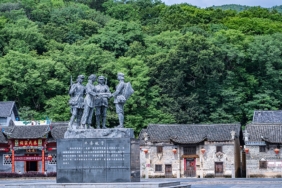
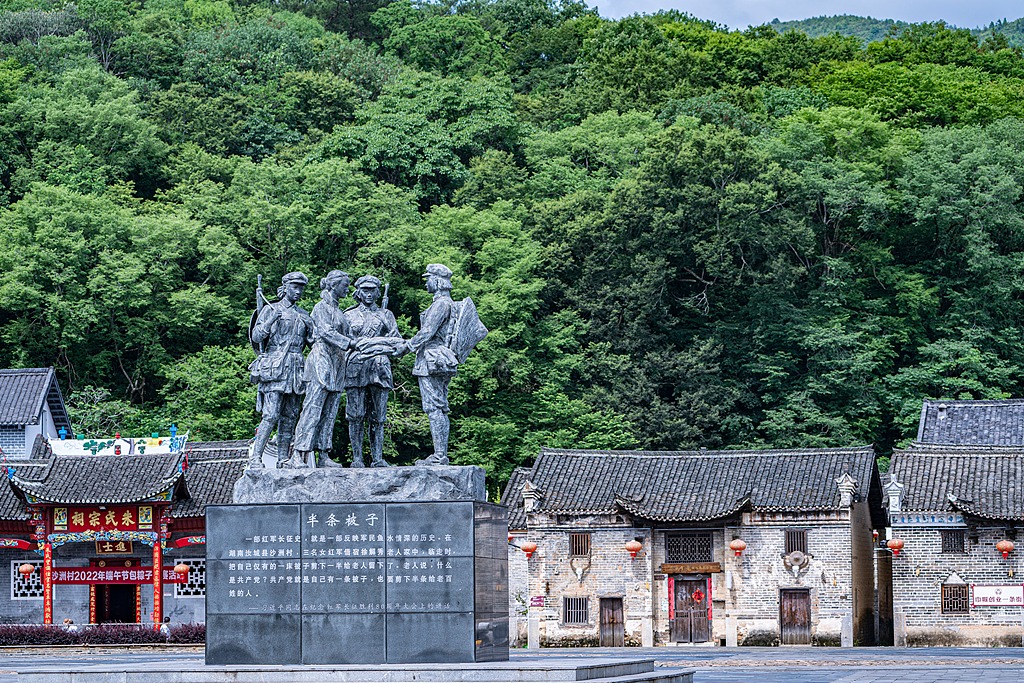
The narrative originates from the winter of 1934 in Shazhou Village, Hunan Province, where three female soldiers sheltered at the home of impoverished villager Xu Jiexiu. Noticing the household lacked adequate bedding, the soldiers cut their single blanket in two, leaving half behind before marching onward. This gesture evolved into a lasting emblem of the relationship between the Communist Party of China and the populace. Highlighting the importance of public backing during Thursday’s commemorative event, President Xi stated:
“Only by remembering the past can we build a brighter future.”
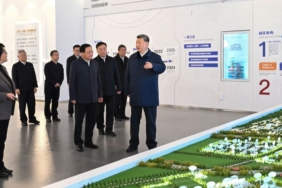
The focus on grassroots well-being aligns with directives issued during Xi’s September 2020 tour of Shazhou’s thematic memorial hall. The locality currently allocates monthly allowances to residents aged 60 and above, covers essential medical insurance premiums for half the village, and operates a youth welfare initiative reaching nine adjacent settlements. Xu’s grandson, Zhu Xiaohong, transitioned out of poverty after receiving state-backed culinary training to open an eatery. Zhu stated:
“In the past, the Red Army gave us half a quilt; now the Party brings happiness to our lives.”
Josef Gregory Mahoney, a professor of politics and international relations at East China Normal University, told CGTN that the Long March offers enduring lessons on governance:
Public trust is built by meeting the needs of the people and sharing both hardships and achievements. Today, poverty alleviation as well as rural revitalization efforts depend on people seeing tangible benefits in their own lives.
Economic Transformation and Global South Perspectives
Removed from the national poverty registry in 2018, Shazhou combined historical tourism with environmental initiatives, including river restoration, wastewater treatment, and garbage disposal. The surrounding district integrated agriculture with travel by promoting specialty fruit farming. Consequently, per capita net annual earnings grew from less than 4,000 yuan (around $634) in 2012 to over 25,000 yuan by 2025, while total village revenue climbed from negligible levels to exceed 1 million yuan. Brazilian expert Rafael Henrique Zerbeto observed that prioritizing citizens remains fundamental as China converts revolutionary history into high-quality growth.
International perceptions reflect similar dynamics. A CGTN survey covering 12,000 respondents across 41 countries showed that 63.9 percent of global participants—and 71.4 percent in Global South nations—credit party leadership for China’s developmental milestones. Mahoney noted that the historical expedition signals that emerging countries should design growth strategies suited to their domestic conditions while seeking international cooperation. Addressing the commemorative assembly, President Xi affirmed that the spirit of the campaign remains:
A valuable treasure and a powerful driving force inspiring us to overcome difficulties and forge ahead courageously.