

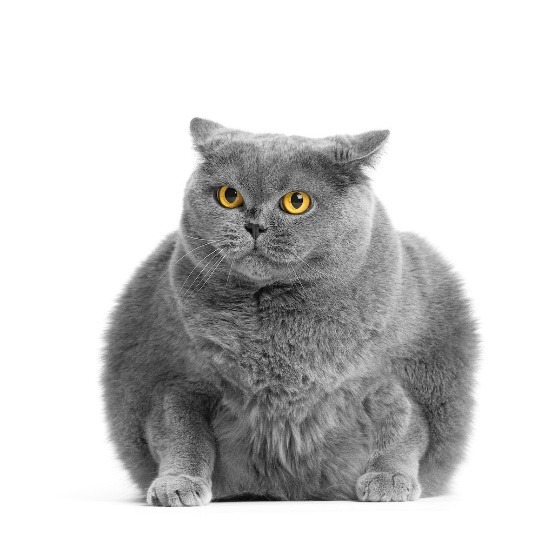
A large-scale study published in Frontiers in Animal Science reveals that cats maintained on vegan diets experienced lower rates of obesity and associated health complications compared to those fed conventional meat-based regimens, demonstrating a 34 percent reduced likelihood of being assessed as overweight.
Researchers examined caregiver-reported veterinary evaluations covering 1,305 domestic cats that had followed their respective diets for at least one year, with 90 percent receiving meat-based food and 10 percent on plant-based alternatives. Although the 34 percent reduction did not achieve statistical significance due to the relatively low number of vegan-fed cats, weight-related health disorders were entirely absent in the plant-based group.
Excess weight remains a pervasive concern among domestic felines, with veterinary research estimating that between 30 and 60 percent of cats are overweight or obese. The condition is routinely associated with arthritis, diabetes, urinary tract diseases, and an overall decline in feline quality of life.
Survey Highlights Dietary Patterns and Weight Discrepancies
Study lead Andrew Knight, an adjunct professor at Murdoch University School of Veterinary Medicine in Australia, pointed out that while the findings do not provide definitive conclusions, they reveal meaningful trends.
“Kedilerini vegan diyetlerle besleyen kişiler ayrıca osteoartrit ile diğer kas-iskelet sistemi ve hareket sorunları gibi vücut ağırlığıyla ilişkili rahatsızlıkların daha düşük oranlarda görüldüğünü bildirdi. Ancak vegan beslenen kedilerin sayısının görece az olması, bu sonuçların kesin olarak değerlendirilemeyeceği anlamına geliyor” dedi.
“İlginç bir şekilde, vegan beslenen kedilerin çoğu ağırlıklı olarak kuru mama tüketiyordu ve gün boyunca mamaya erişebilme olasılıkları daha yüksekti. Bunlar normalde fazla kilolu olma riskinin artmasıyla ilişkilendirilen beslenme biçimleridir. Buna rağmen bu grupta fazla kilolu olma oranlarının daha düşük olduğunu gözlemledik” ifadelerini kullandı.
The study emphasized that diet is not the sole factor determining feline weight, alongside age, sex, neuter status, activity levels, and feeding practices. While the cat food products themselves were not chemically analyzed, researchers noted that commercial vegan options may possess higher fiber alongside lower caloric and fat content, with differences in L-carnitine concentrations potentially aiding energy metabolism and lean tissue preservation.
Emphasizing that the current evidence serves as a baseline for future research, Knight called for direct, prospective investigations to verify the nutritional outcomes.
“Bu araştırmadan vegan diyetlerin kedileri fazla kilolu olmaya karşı kesin olarak koruduğu sonucuna varamayız ancak daha fazla araştırılmaya değer, tutarlı bir örüntü tespit ettik. Bir sonraki ideal adım, kedilerin ne yediğini, enerji alımlarını ve vücut kondisyonlarını doğrudan ölçen, daha geniş kapsamlı ve ileriye dönük bir araştırma olacaktır” dedi.
“Kedi sahipleri, kedilerinin beslenme açısından eksiksiz diyetlerle beslendiğinden her zaman emin olmalı ve tüm temel besin maddelerini sağlayacak şekilde uygun takviyeler içeren ticari vegan mamaları tercih etmelidir” ifadelerini kullandı.
Knight holds academic affiliations with the School of Veterinary Medicine at Murdoch University in Perth, Griffith University in Brisbane, the University of Winchester in the United Kingdom, and the Sustainable Pet Food Foundation in London. The full research is available at https://www.frontiersin.org/journals/animal-science/articles/10.3389/fanim.2026.1939965/full.